
Ultra VLEO starts here.
Lower than LEO. Powered by plasma. JivaJet is building air-breathing plasma propulsion for Ultra VLEO — where drag wins, fuel runs out, and new capability begins. Most satellites stay above 200 km. We’re building for 80–150 km.
Drag wins down here.
Below 200 kilometers, the rules change.
Atmospheric drag is relentless. Traditional satellites slow down, burn through propellant, and eventually fall out of orbit. That’s why most operators avoid it.
But staying higher comes with tradeoffs — lower resolution, higher latency, and less responsive systems.
So the question isn’t why go lower. It’s why hasn’t anyone made it work — yet.
The Future Runs on Plasma.
JivaJet is developing air-breathing plasma propulsion designed for sustained operation in Ultra VLEO.
Instead of fighting the atmosphere, the system uses it. At orbital velocity, incoming air particles are captured, ionized into plasma, and accelerated to generate thrust.
No heavy propellant loads. No conventional constraints. Just propulsion that works with the environment instead of against it.
Plasma isn’t new to Space Propulsion. But using it this way is.
JivaJet’s approach maintains hypersonic flow, ionizes atmospheric particles in-stream, and generates continuous thrust in one of the most demanding regions of near-Earth space. The result?
More efficient thrust. Greater adaptability. A fundamentally different propulsion model.
This isn’t incremental. It’s a shift in how propulsion works at the edge of atmosphere and orbit.
Demonstrated Performance & Traction
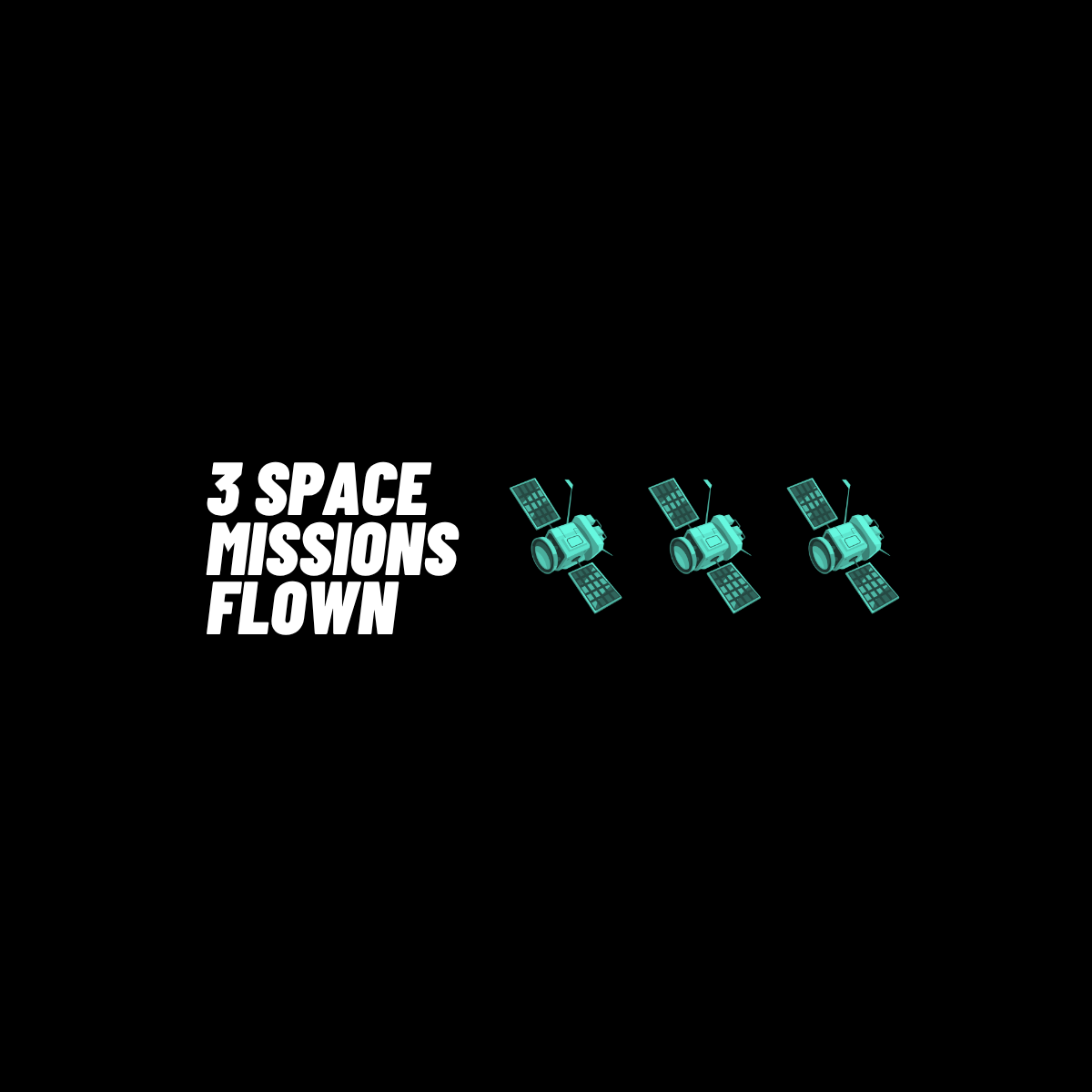
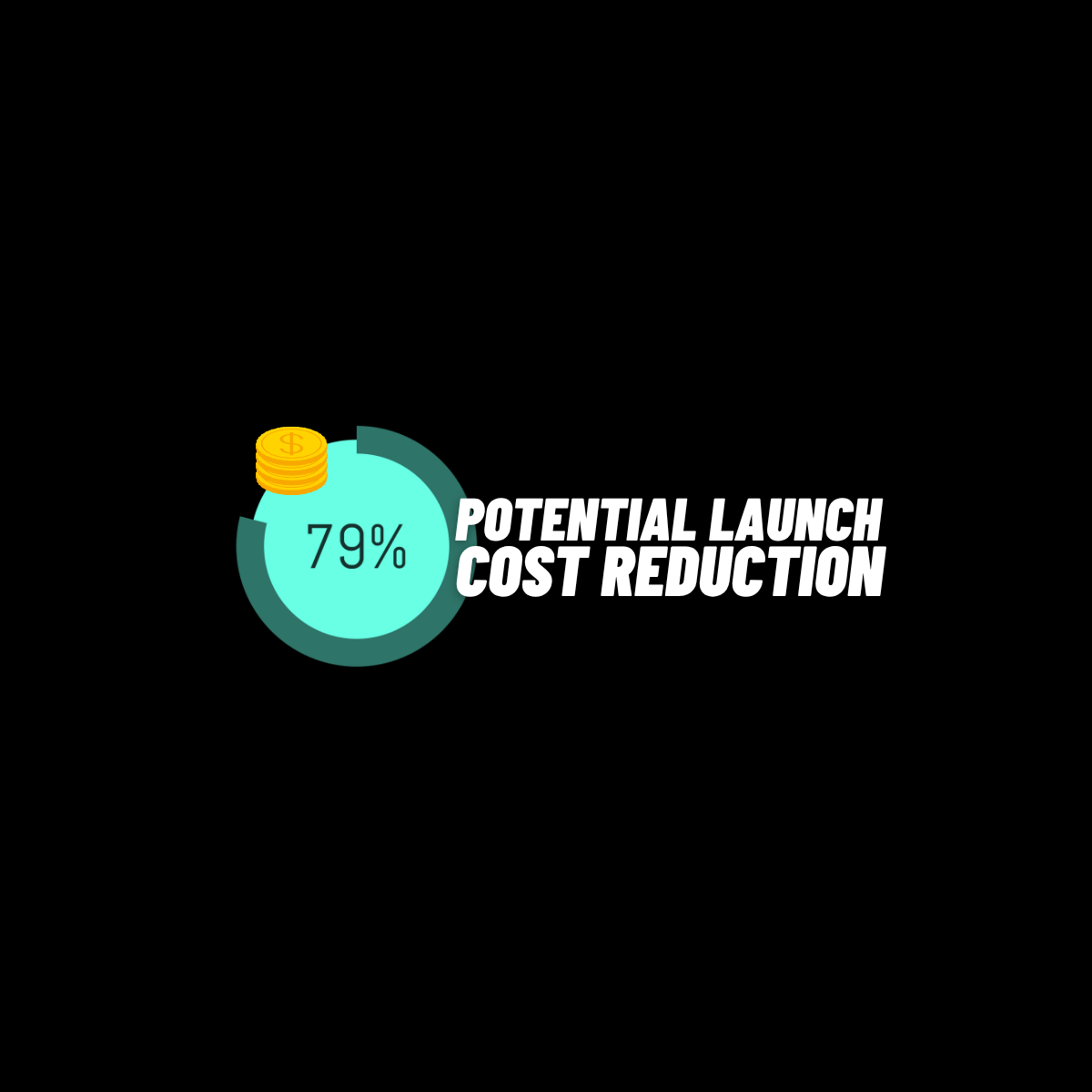
JivaJet’s foundational technology builds upon prior plasma thrusters that have already flown three space missions. Internal analysis shows potential launch cost reductions of up to 79% compared to conventional electric propulsion systems.
Recent publications demonstrate thrust levels exceeding 1.6 newtons using air-breathing plasma — an order-of-magnitude improvement in thrust-to-power ratio relative to traditional electric propulsion.

See It up ClOSE At SATSHOW 2026.
Stop by to see what happens when propulsion is built for the lowest operational orbit around Earth. If you’re interested in scheduling a meeting with the team, fill out the form here.








Enter The Next Orbit.
Want to stay connected as we build what’s next in Ultra VLEO? Get updates on JivaJet’s air-breathing pasma propulsion, upcoming milestones, and opportunities to collaborate. Oh, you should also follow us on LinkedIn.